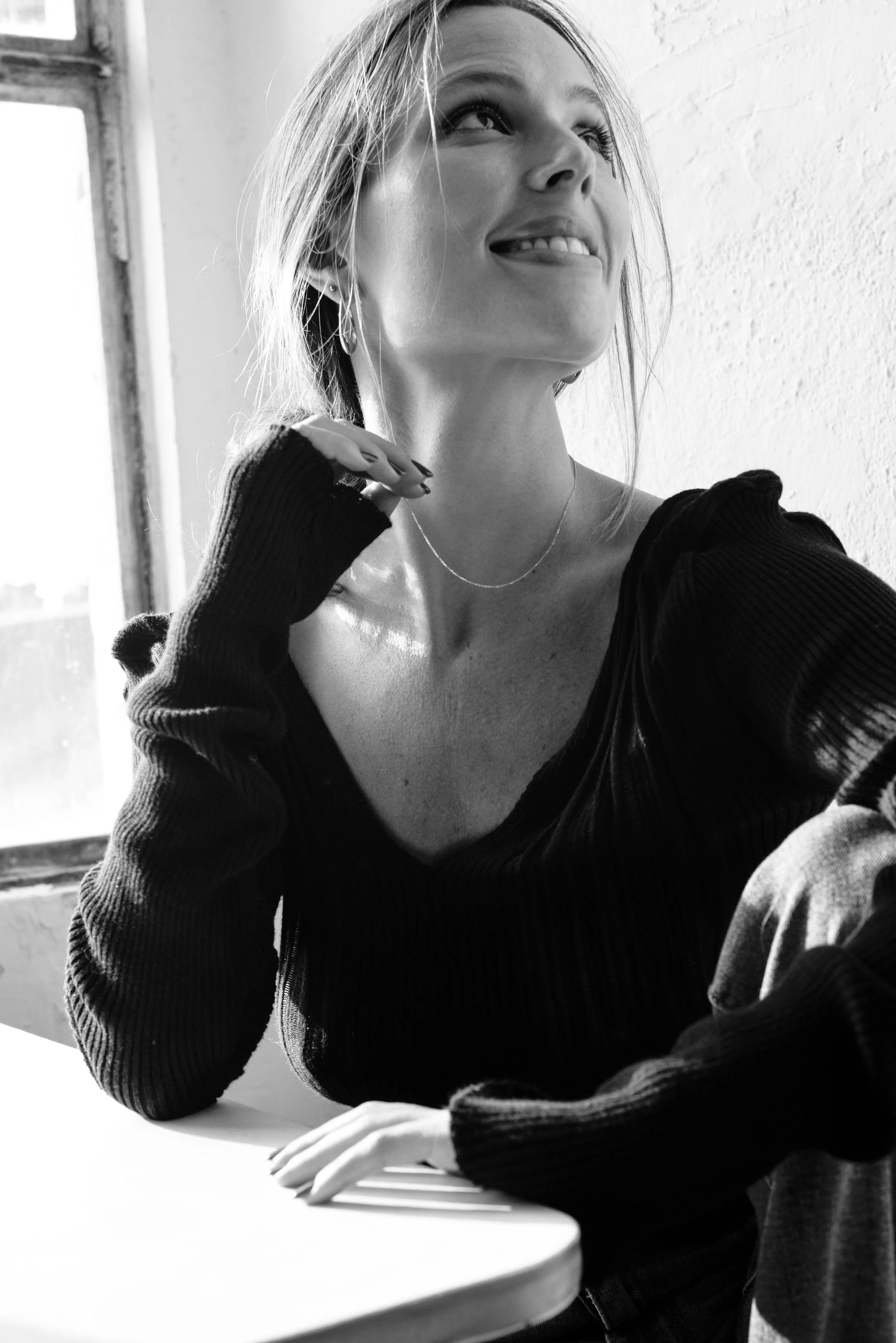
Hi, I’m Alessandra
liberated art facilitator.
Devoted believer in the inner world.
For a person who now makes her living through art therapy, I spent an embarrassingly long time being petrified of making art. Not mildly nervous. Palm-sweatingly convinced that any mark I made on paper would be immediately revealed as evidence of some deep personal inadequacy.
When we become so fearful of judgement, that of our own and of others, that these fears paralyse us from living life with freedom and true joy, it goes without saying that we might have some unlearning to tend to.
How it all began
I first encountered art therapy as a teenager, during what I will generously describe as a difficult period. I was not in a good place.
A lost soul trapped in a relentless loop of self-destruction and inner criticism, slinking the corridors of a rehabilitation centre, at a point when words had more or less packed their bags.
Art therapy arrived at exactly this moment, which in retrospect seems almost suspiciously well-timed. It did not ask me to explain myself. It did not require me to find the right words or present myself coherently. It simply handed me some materials and waited to see what happened. No expectation.
Over time, learning the practice of making free-art without a goal, learning to relinquish the fear of judgment, with no need to make something ‘perfect’showed me how to unchain myself from these limiting narratives in many other aspects of my life.
Art therapy stayed with me. And, in a turn of events that will surprise absolutely no one who has ever been genuinely helped by something, I now find myself sitting in the therapist’s chair.
why art matters
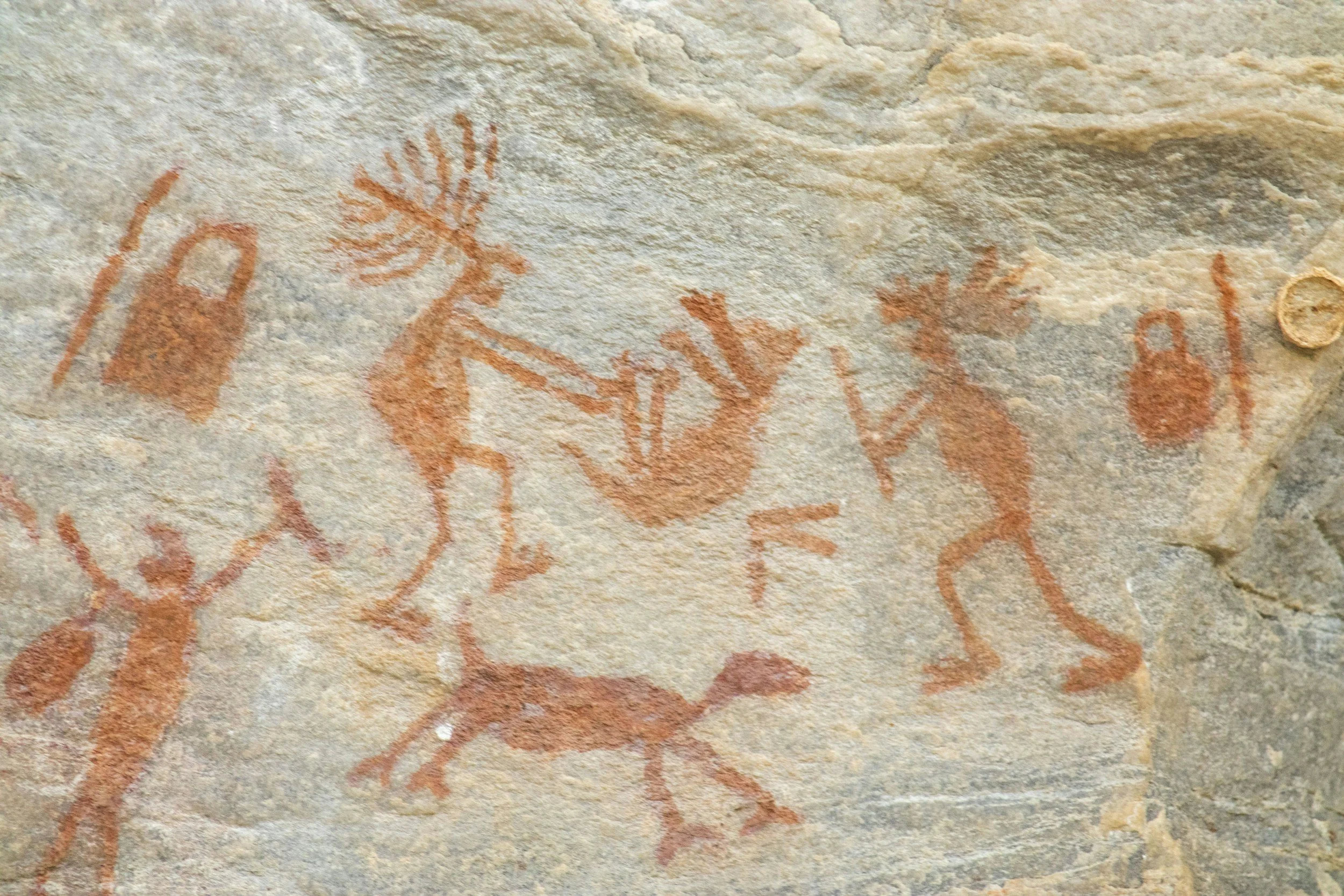
Here is something that tends to get overlooked in polite conversation: humans have been making art long before we developed language or legal systems; we were far too occupied pressing our hands against cave walls and carving animal shapes in the dark.
This was not accidental. It was, as neuroscience has since gone to considerable lengths to confirm, a fundamental way of processing experience.
Of making the inner world visible.
Of saying: I was here, and this is what it felt like.
My work brings together psychology, neurobiology and mythology to create space for exactly this kind of expression. The result (pleasingly), is that creative making becomes a path toward understanding; and sometimes, when things go well, toward genuine change.
How I work now
My practice is grounded in the belief that imagination is one of the most underrated tools available to us. It shapes how we see ourselves. It helps us move through change without completely dissolving. It allows us to examine, reframe and quietly rewrite the stories we have been lugging around since childhood; most of which, were never accurate to begin with.
Art did far more for me than loosen my grip on perfectionism.
It dismantled giant psychological walls.
It changed how I saw myself, how I moved through relationships, how I related to a bootcamp inner critic who had been running the show for most of my life.
I am not recommending this because it sounds nice. I am recommending it because it worked, in the most concrete and lasting way, for someone who was quite convinced it wouldn’t.
It starts, as most things do, quite simply:
A blank page.
A mark.
The mild but necessary courage to see where it leads.
Philosophy
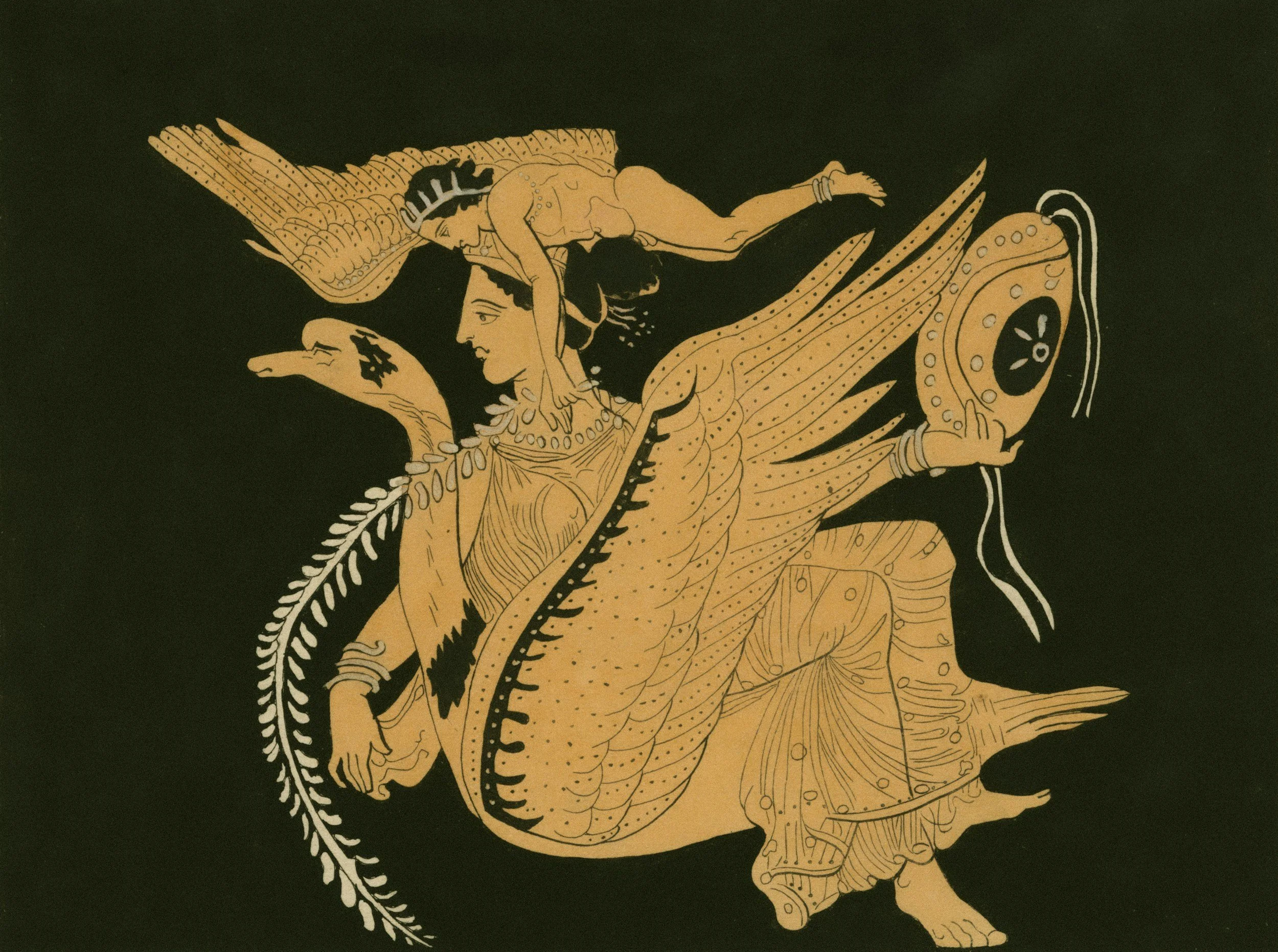
Before we were good at explaining ourselves,
we drew.
We painted hands on cave walls.
We told stories about the sun and called it Helios because a name gives something power, and power is something the sun rather deserves.
Somewhere along the way, many of us got persuaded that this older, image-making language was decorative at best, frivolous at worst. Here we respectfully disagree.
Colour is not just colour — it is mood, memory, longing, and occasionally the precise shade of a Tuscany in Spring that you can never quite describe to anyone. Pattern is not just pattern — it is the habit you have been carrying since you were eleven, finally visible on paper. Symbols are not superstition — they are the shorthand the psyche has been using for millennia while the rational mind was busy counting shells.
Working with me, means learning to see all of this — learning more about yourself and the world around you too.